The 90-second rule: what speed to lead does to close rates
Most agencies do not have a lead problem. They have a response problem, and the clock starts the moment the enquiry lands.
A property enquiry arrives at 9:12am on a Saturday. The agent is at an inspection. The lead sits in an inbox until Monday, gets a generic reply, and books a call for Wednesday. By then the buyer has seen four other properties and spoken to two other agents. Nobody did anything wrong, and the lead is still gone.
Speed to lead is the least glamorous advantage in real estate and the easiest one to engineer. It is also the one most agencies measure badly, because they measure the first automated email rather than the first real conversation.
Why 90 seconds is the number
When someone enquires about a property, they are usually looking at three or four others at the same time. The first agent to have a useful conversation sets the frame for everything that follows. A reply that says your enquiry has been received does not count as a conversation.
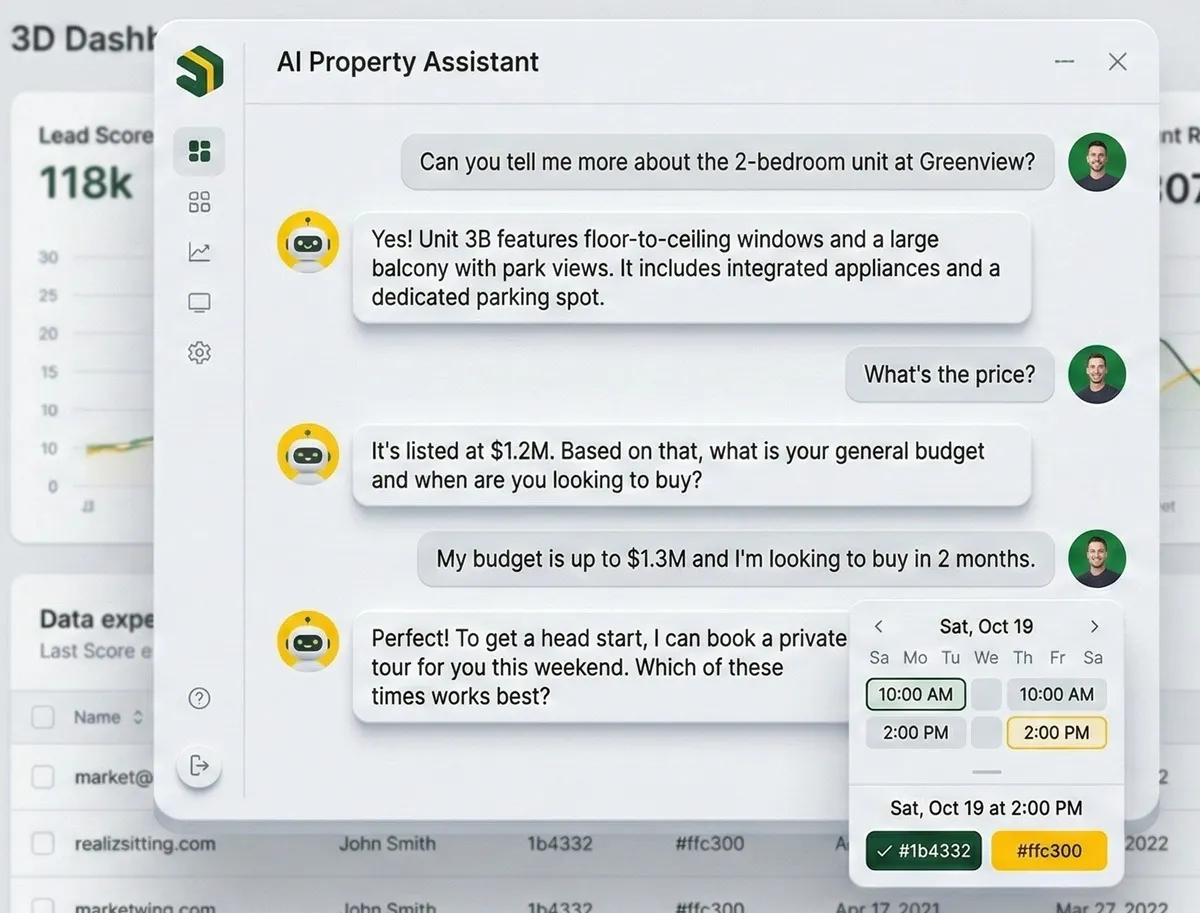
An agentic system changes the sequence. The enquiry is enriched, matched against live listings, and answered with something specific: availability, price guidance, inspection times, and a question that qualifies intent. If the lead is hot, a human is looped in within the same window.
What the first response should contain
- The property address, and two comparable listings that are actually relevant
- Inspection times, with a one-tap booking link
- Finance readiness, asked plainly and without a form
- A clear next step — a call now, or a specific time
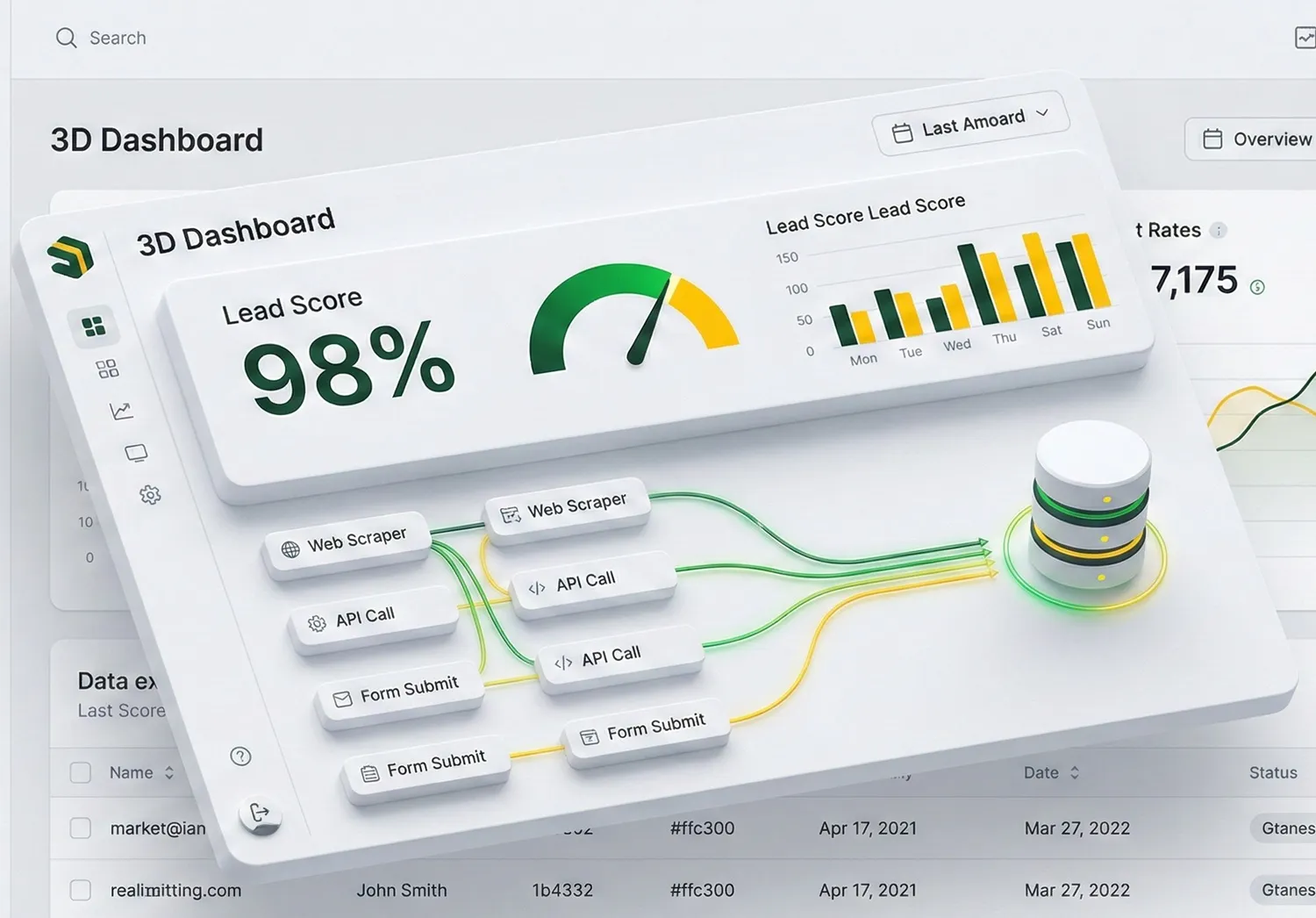
None of this requires the agent to negotiate. It requires the system to know what is on the market, what the buyer has already viewed, and who on the team is free to talk. That is an integration problem before it is a language problem.
The handover is where most systems fail
An automated first response that ends without a handover is a slightly faster dead end. The handover needs three things: a summary of what the buyer said, the qualification signals already captured, and a proposed next action with a time attached. The human should open the record and know exactly where the conversation stopped.
The measure is not how fast the first message goes out. It is how fast a qualified human conversation starts.
A realistic four-week rollout
Week one is plumbing: CRM, listings feed, calendar, phone. Week two is the qualification logic and the first-response templates, tested against real enquiries from the last ninety days. Week three is human handover and a small live cohort. Week four is tuning, plus the reporting that tells you where leads are stalling.
By the end of the month you should be able to answer three questions without guessing: how many enquiries arrived after hours, how many got a real response inside 90 seconds, and what happened to the ones that did not.
What not to automate
Negotiation, vendor price conversations, and anything that requires a judgement about a person's finances. The agent's job is to get the right human into the conversation quickly with the right context. Everything after that is still your business.