Your restaurant phone is costing you covers
At 7:40pm on a Friday, nobody in the kitchen can answer the phone. The caller books somewhere else, and you never see the cover you lost.
It is 7:40pm on a Friday. The pass is full, two staff are on the floor, and the phone rings six times in twenty minutes. Nobody picks up. Five of those callers wanted a table tonight. One wanted to know whether the risotto was gluten free. By 8pm, most of them have booked somewhere else — and you will never know their names.
This is the most expensive gap in restaurant operations, and it is invisible because it never shows up in a report. You cannot lose what you never captured. A voice agent does not fix hospitality by being clever. It fixes it by answering.
What a missed call actually costs
Take a mid-sized venue doing 140 covers on a Saturday. If the phone goes unanswered for 20% of peak enquiries and the average spend is $65 a head for two, the loss is not a rounding error. It is several thousand dollars a month, compounded by the fact that first-time callers rarely try twice.
The damage is not evenly spread either. It lands on the hours when you are busiest and least able to respond, which are exactly the hours when demand is highest. The calls you miss are the calls worth the most.
What an agent should actually handle
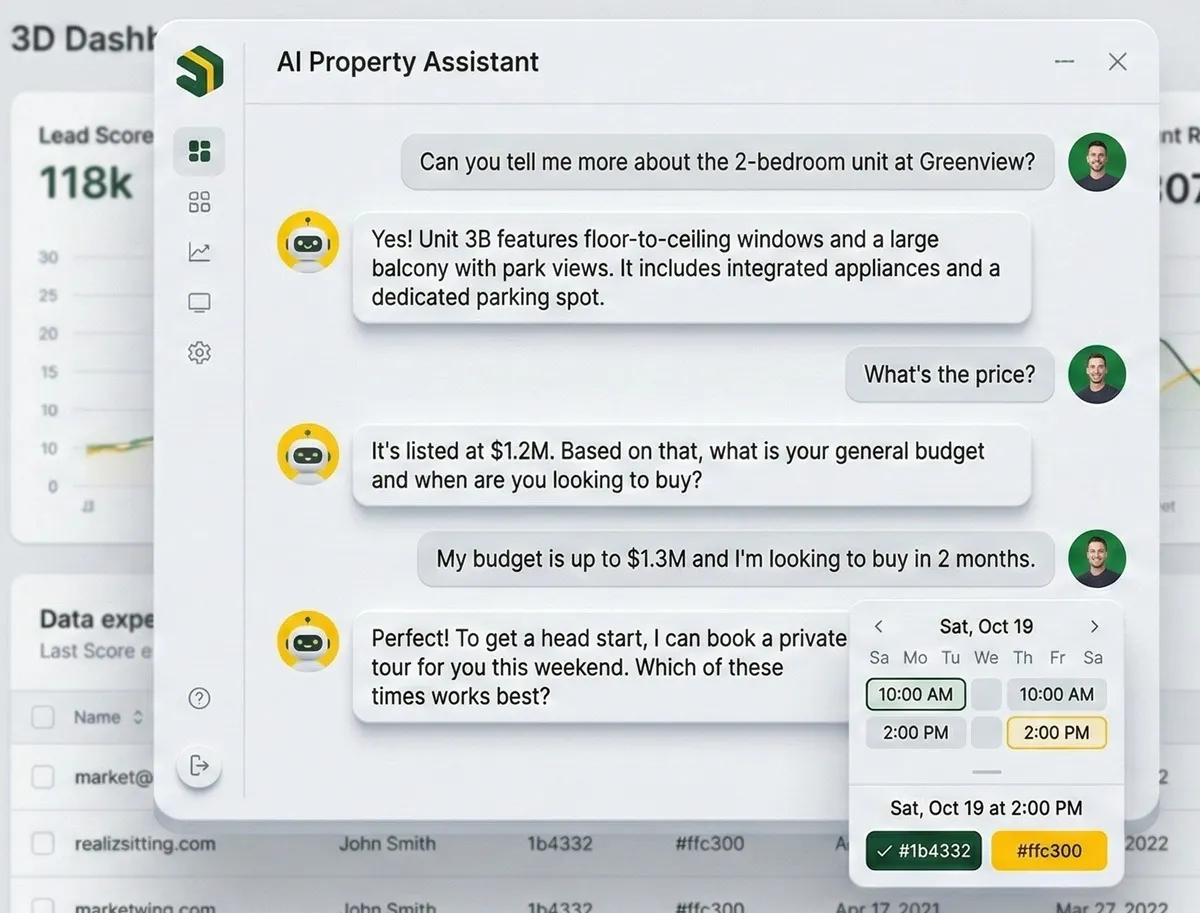
A useful restaurant agent is narrow, fast and boring. It answers within two rings, confirms availability against the real booking system, takes the reservation, and sends the confirmation. Everything else is escalation.
- Reservations and waitlist requests, with party size, time and occasion captured
- Takeaway orders, read back item by item, priced from the live menu
- Opening hours, parking, dietary questions and allergen pointers — answered from your own content
- Changes and cancellations, with the booking record updated in the same call
- Large groups and functions, captured as a qualified lead and routed to a manager
Where the agent must stop
The failure mode is an agent that improvises. If a caller asks whether a dish can be made without garlic and the ingredient data is missing, the correct answer is not a guess. It is: let me confirm that with the kitchen. The agent takes a number, flags the conversation, and the team calls back with an answer.
An agent that knows what it does not know is worth more than one that sounds confident and gets it wrong.
The integration is the project
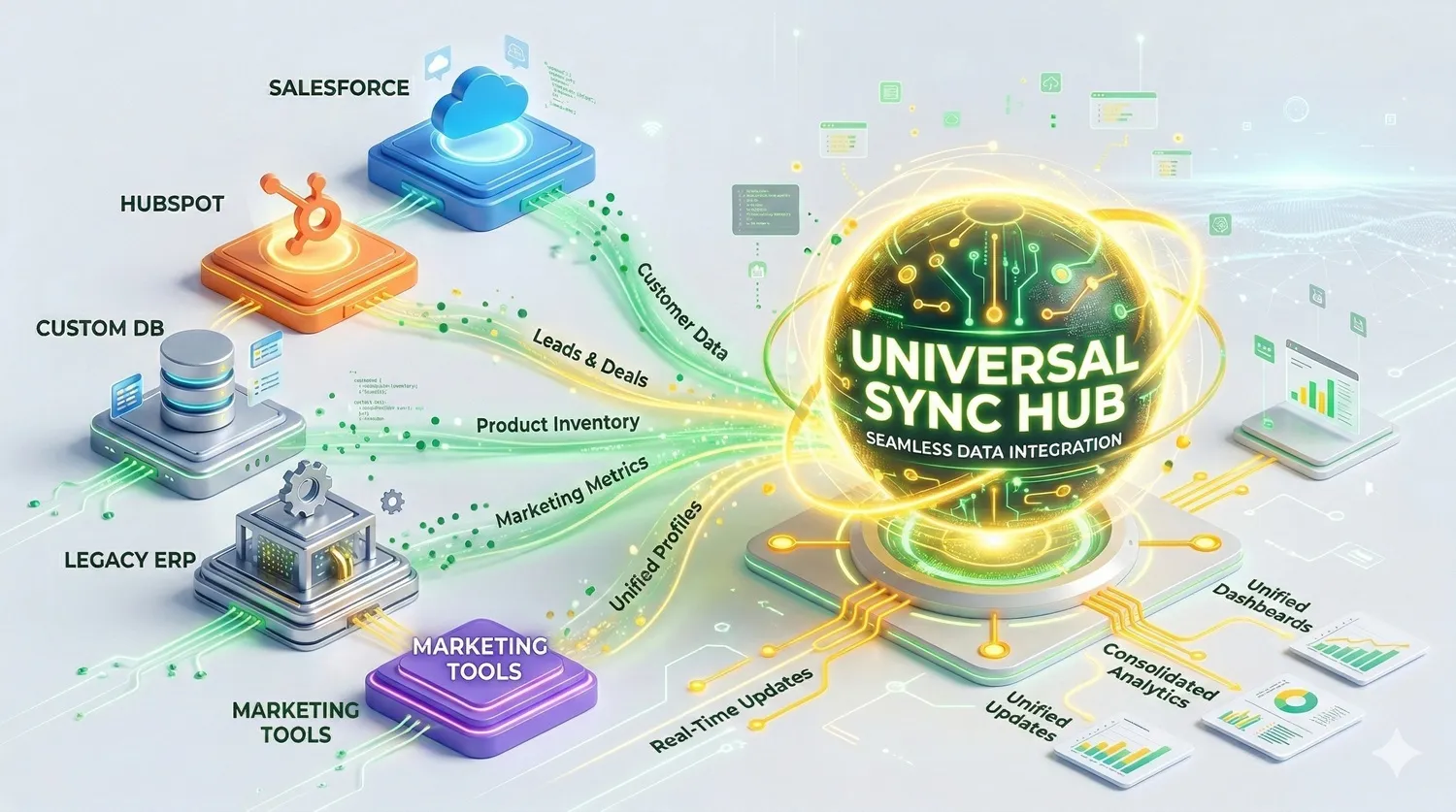
Speech quality is a solved problem. The hard part is the plumbing. A reservation is only real if it exists in the system the floor staff already use. That means choosing the POS and booking stack first, then designing the conversation around what those systems can actually do.
We start with Square because its APIs are stable and the installed base is large. Lightspeed K-Series, Toast and Impos follow the same pattern with different constraints. Menu changes, sold-out items and price updates have to flow into the agent nightly, or it will happily sell a dish you ran out of at 6pm.
What to measure in the first month
Do not start with containment rate. Start with answered calls, bookings created, and revenue attributed to calls that would otherwise have gone to voicemail. Then look at escalation quality: how often did the agent hand over, and did the handover include enough context for a human to continue without asking the caller to repeat themselves?
- Answered call rate against your current baseline
- Bookings and orders created per week, by channel
- Average handling time, split by intent
- Escalations as a share of calls, with reasons
- Revenue per answered call, not revenue per call
If the numbers hold, the next step is outbound: confirmations, waitlist fills at short notice, and review requests after service. All of it uses the same conversation layer, and all of it should be measured the same way.
If you want to hear what this sounds like in a real venue, we will build a working prototype against your menu and your booking flow before you commit to anything.