A CRM that updates itself
Your pipeline is only as good as the notes nobody wrote. Agentic records fix the input problem instead of blaming the sales team.
Every CRM implementation ends with the same complaint: the data is stale. Deals sit in the wrong stage, call notes arrive days late, and the next action is a guess. The usual response is more training and more required fields. It does not work, because the problem is not discipline. It is friction.
The record should write itself
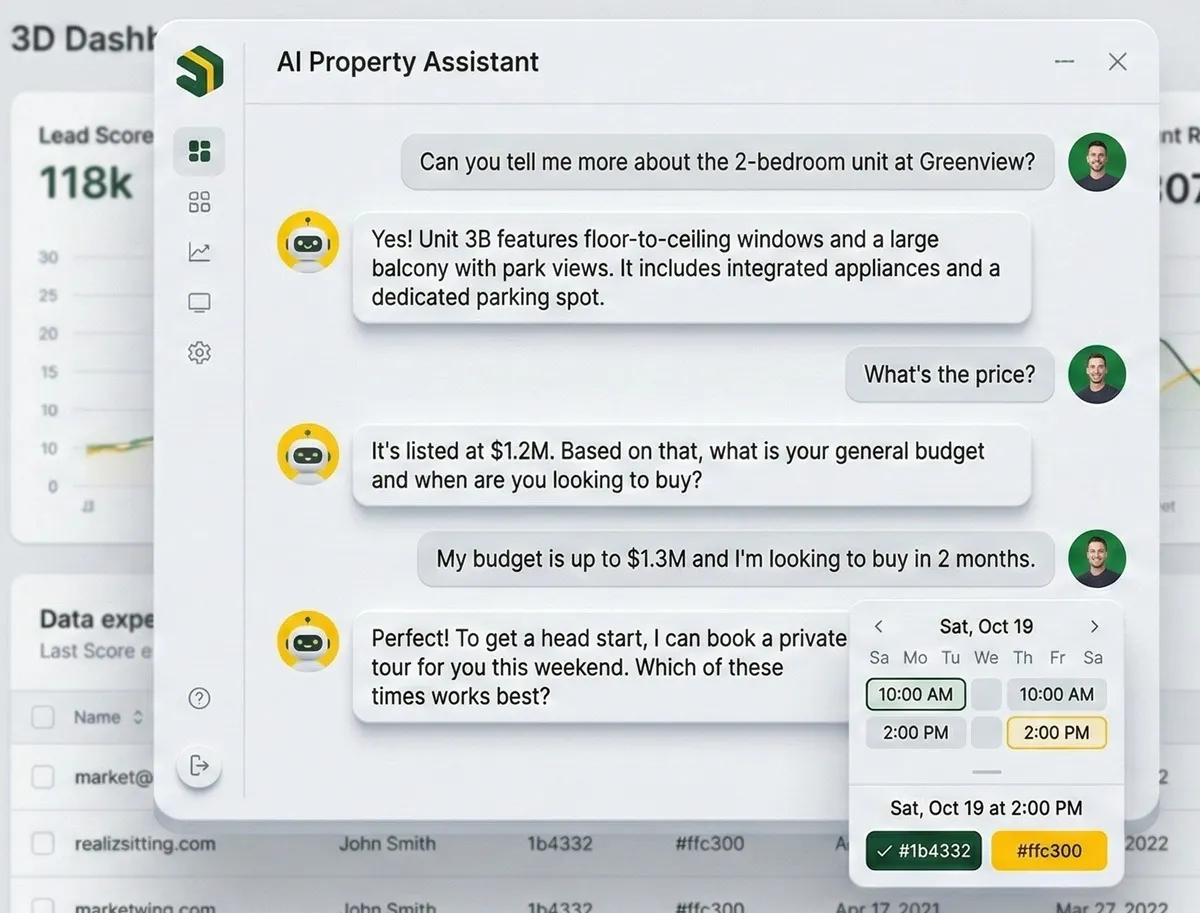
Most of what a CRM needs is produced during the conversation: who was on the call, what they asked for, what was promised, what happens next. If the system can hear the call, read the email, or see the message thread, it can draft the record. The human confirms or corrects it.
That is the difference between automation and an agent. Automation moves data between fields. An agent reads the context, proposes an update, and asks for approval when the stakes justify it.
Three layers worth building
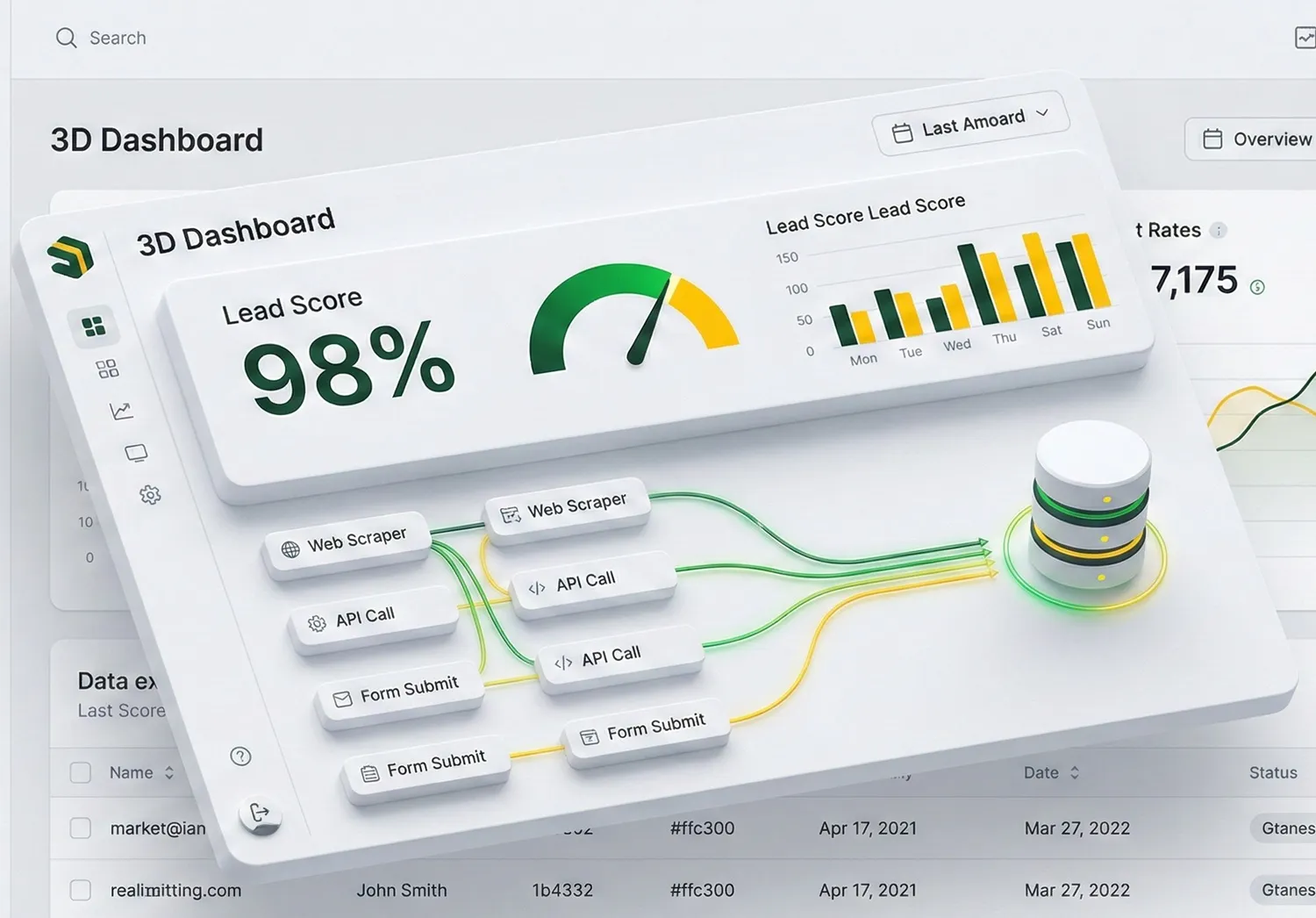
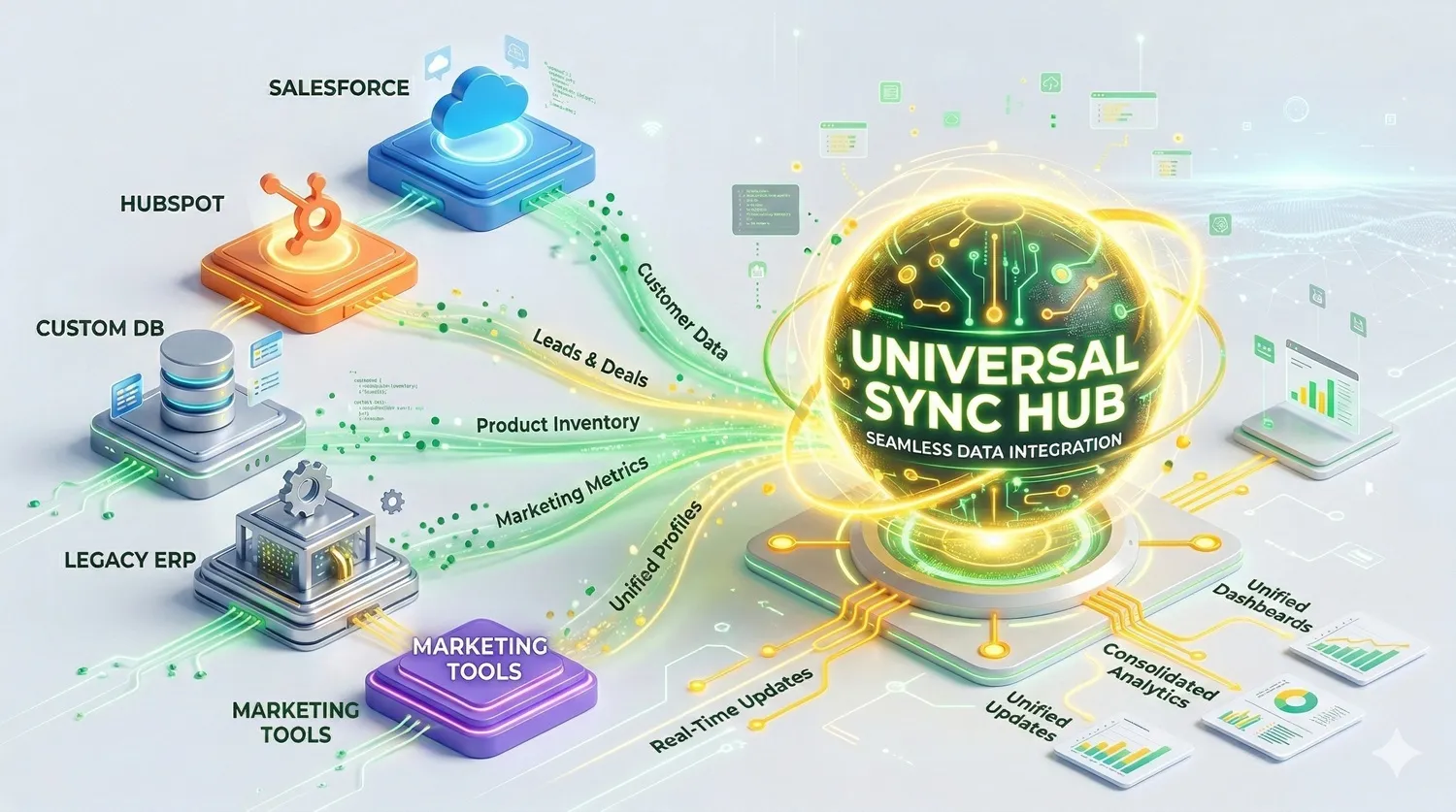
- Capture: calls, email, messaging and forms normalised into one timeline per contact
- Interpretation: summary, intent, objections, next step, and confidence per field
- Action: stage change, task creation, follow-up draft, or escalation to a human
Capture is mostly engineering. Interpretation is where the model earns its keep. Action is where you decide how much autonomy you are willing to delegate — and that decision should be per field, not per system.
Set autonomy by consequence
Some updates are safe to apply automatically: logging a call, adding a contact, attaching a transcript. Some should always be suggested: changing a deal value, moving a stage, marking a deal lost. And some should never be automatic: anything that triggers a customer-facing commitment.
Once you draw those lines, the system becomes trustworthy. The team stops maintaining the CRM and starts reviewing it, which is a much smaller job.
Autonomy is not one switch. It is a set of small permissions, each with a different cost of being wrong.
What good looks like after 60 days
Pipeline stages match reality, because they are updated within minutes of the call. Follow-ups go out on time, because the task is created from the conversation rather than from memory. Managers stop asking for updates and start reading the record. And the sales team spends its time selling rather than typing.
The technology is the easy part. The hard part is agreeing, in writing, which fields the agent may change and which need a human. Do that first and the build is straightforward.