Filling Tuesday without training guests to wait for a discount
Static discounts teach your best customers to book late and pay less. Dynamic, private incentives do the opposite.
There is a version of off-peak promotion that works, and a version that quietly erodes your margin for years. The difference is who sees the offer, when they see it, and what it teaches them about your pricing.
The public Tuesday special teaches every guest to wait for Tuesday. Your regulars, who would have paid full price on Friday, learn that patience is rewarded. The discount fills seats and trains behaviour you will spend the next two years undoing.
Private, targeted, time-boxed
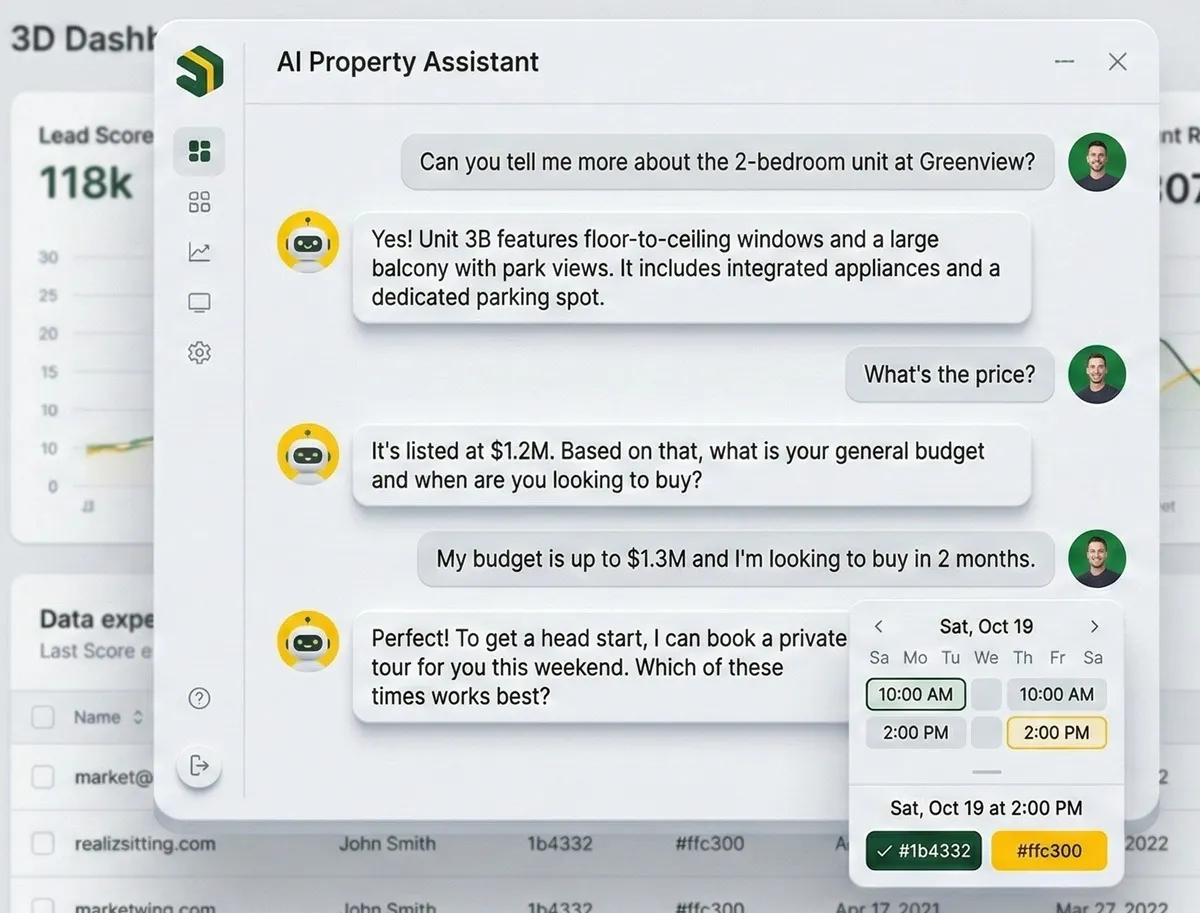
A better pattern is an incentive that is private to a guest, relevant to their history, and expires quickly. The guest who orders the same pasta every three weeks gets a reason to come in on a quiet Wednesday. Nobody else needs to know.
- Target guests by visit cadence, not by spend alone
- Offer a specific slot, not a general discount
- Expire the offer in 48 hours so it does not become a standing price
- Measure incremental covers, not redemptions
The data you already have
Most venues sit on enough data to do this well: order history from the POS, booking times, party size, and how often each guest visits. What is missing is a system that turns that data into a decision every day, without someone building a spreadsheet.
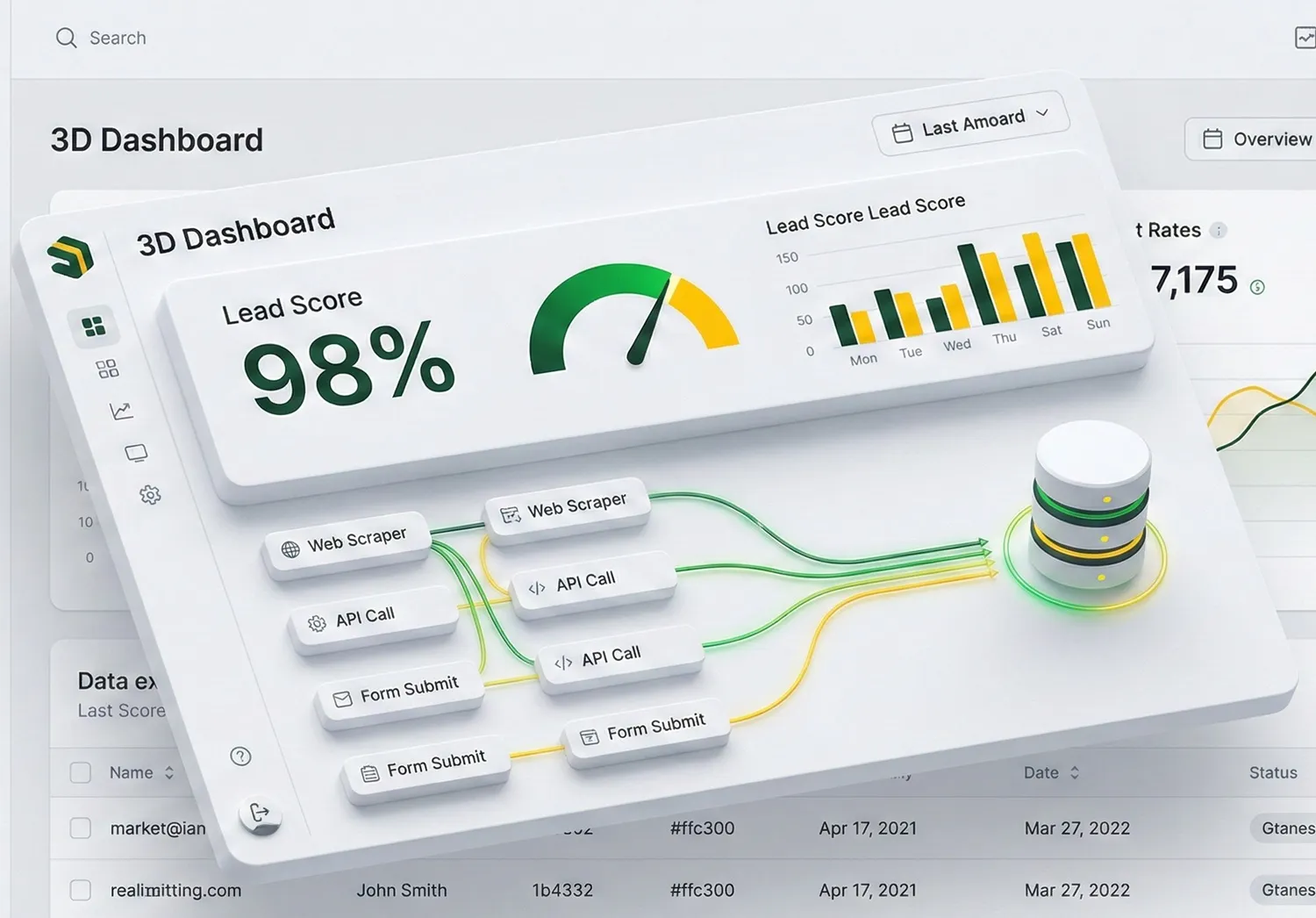
An agent can run the loop nightly. It looks at forecast demand against capacity, finds the gaps, selects a small cohort of guests whose behaviour suggests they are likely to respond, and sends a message. The next morning it reports what worked.
Protect the brand while you do it
Dynamic incentives work when they feel like recognition rather than clearance. The message should reference the guest, not the discount. The offer should be framed around an experience — a table by the window, a new menu item — rather than a percentage off.
A discount says your price was wrong. An invitation says we want you here tonight.
What to watch
Cannibalisation is the risk. If guests who would have booked anyway start redeeming offers, you have bought a discount, not a cover. The test is incremental: compare the cohort that received the offer with a matched group that did not, over the same weeks.
Run it small, run it for a month, and be willing to kill it. The point is not to discount more. It is to fill capacity you have already paid for, without teaching your best guests to wait.